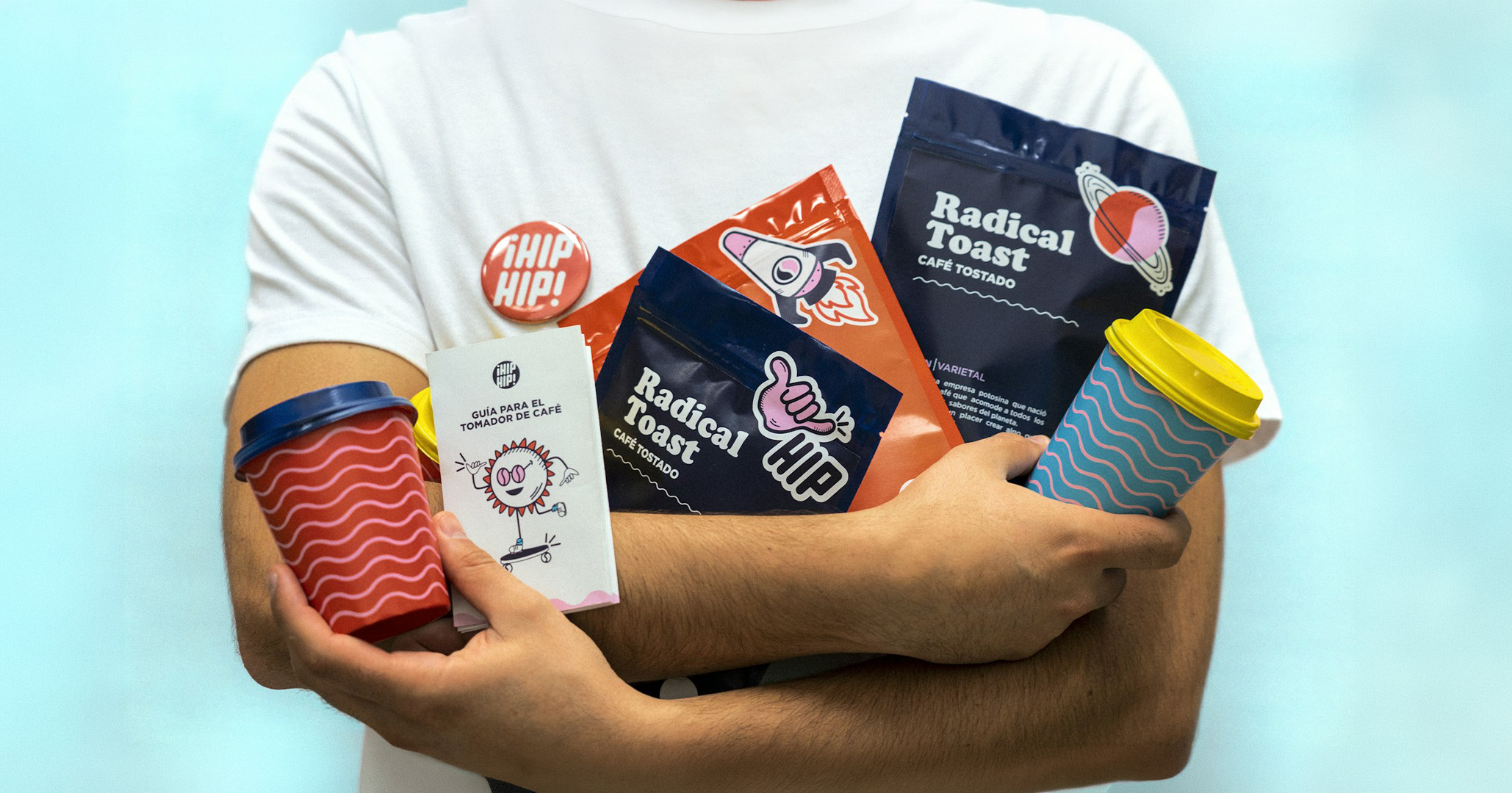
The timing is right. QR codes have crossed the threshold from novelty to normal behavior. Uniqode reports that roughly 71% of consumers describe QR codes as at least somewhat helpful in their lives, which is exactly the kind of mainstream “utility” signal brands should pay attention to. At the same time, Innova’s consumer research has been cited as showing 64% of global consumers interact with QR codes on packaging, which means scan behavior is already baked into how people shop and learn. But the biggest unlock isn’t “put a QR on pack.” It’s designing a connected packaging strategy that feels intentional, on-brand, and genuinely useful so the scan experience becomes an extension of the product, not a random detour.
Below is Walla’s creative-use-case playbook: practical ways to leverage a QR code on packaging that build differentiation, deepen loyalty, and collect first‑party insights—without turning your brand into a gimmick.
Connected packaging is the use of packaging (usually via QR codes, sometimes via NFC or other scannable triggers) to link a physical product to a digital experience that can be updated over time. In the simplest form, it’s a bridge from shelf to phone. In the most strategic form, it’s a programmable channel: the same printed code can route consumers to different experiences based on location, time, product variant, or campaign timing.
When done well, connected packaging lets a brand do three things that traditional packaging cannot:
1) Deliver value after purchase (education, ritual, community, recipes, onboarding)
2) Measure engagement (scans, timing, geography, conversion events)
3) Iterate without reprints (swap offers, update content, run seasonal drops)
The strategy question isn’t whether a QR code is “worth it.” The question is: what does your brand earn the right to deliver behind the scan?
For early-stage and scaling CPG brands, QR codes on packaging can create leverage in three core ways: agility, targeting, and data.
First, agility. A dynamic QR code flow allows real-time updates, This could be new offers, new landing pages, new CTAs, without waiting for the next packaging print run. That means packaging stops being static creative and starts behaving like a living campaign surface.
Second, targeting. Connected packaging can support geo-targeted scans (different experiences by location) and time-aware experiences (morning vs evening, weekday vs weekend, launch vs post-launch). This is where a QR code becomes contextually smart: the product can adapt to consumer needs instead of just being static.
Third, first-party learning. You can use scan behavior, opt-in flows, quizzes, and preference capture to refine your audience segments and tailor future messaging. Even before you scale media spend, packaging becomes a quiet research engine.
And importantly: this isn’t “micro-engagement.” In connected packaging examples, average engagement time is often discussed in the multi-minute range (e.g., 2–3 minutes per interaction in connected packaging contexts), which is materially different from the typical split-second scroll.
The best connected packaging ideas share one trait: they feel like the next logical step in the product experience. The QR code is basically the doorway into this new world.
1) Product onboarding that reduces churn (not just “learn more”)
For functional foods, supplements, personal care, or anything with usage nuance, the scan can become a guided onboarding moment. Instead of dumping people into a generic homepage, route first-time scanners to a short, mobile-first “how to get the best result” experience: dosage timing, prep tips, storage, or “mistakes to avoid.”
This is especially valuable for early-stage brands where one bad first experience can permanently kill repeat purchase..
2) “Ritual” as a differentiator
Consumers buy products and they buy the identity and routine around them. A QR code can deliver a ritual builder: a 7‑day challenge, a “morning routine” flow, or an evening wind-down ritual that matches your brand’s emotional promise.
This is connected packaging at its strongest: it transforms a commodity action into a branded habit.
3) Interactive recipes that don’t feel generic
For food and beverage brands, recipes are a common QR destination, but most are forgettable because they’re not personalized and they’re not designed as a product moment.
A stronger approach is interactive recipes: choose-your-own pathway (“quick / elevated / high-protein / kid-friendly”), ingredient swap options, and “what you already have at home” filters. Add a “save” mechanic (email, SMS, or wallet save) so the value persists beyond the scan.
4) Flavor-finder quizzes and preference capture
A short quiz is one of the cleanest ways to turn packaging into first-party learning without feeling extractive. “Find your perfect flavor” or “choose your texture profile” can route consumers to the right SKU, the right bundle, or the right retail locator and give you durable data about preferences across segments.
For founders, this is a quiet advantage: you’re learning what your audience actually wants based on real behavior, not assumptions.
5) Digital unlocks that create a “members-only” feeling
A QR code can act like a key. Instead of always giving the same page, use the scan to unlock something gated: early access to a drop, a limited edition variant, a private community link, a secret menu, behind-the-scenes sourcing footage, or a founders’ note that changes monthly.
The goal here isn’t exclusivity for its own sake. It’s creating a sense that the product has depth and the brand has layers worth exploring.
6) Loyalty, referrals, and subscription triggers that feel natural
Connected packaging is uniquely suited to loyalty because the consumer is already holding the product. This is a high-intent moment to offer a simple exchange: scan to earn points, unlock a discount on the next purchase, or trigger a refill/subscription offer.
The important creative constraint: don’t make it feel like a coupon trap. Make it feel like a reward that reinforces the brand relationship.
7) Campaign extensions that keep working after the campaign ends
Most QR code activations die when the campaign ends. The packaging remains, but the destination becomes stale. Uniqode has written specifically about designing QR journeys for “delayed value” so packaging continues to deliver utility over time rather than expiring.
One way we approach this is to treat packaging like a permanent “channel slot” and rotate content inside it: seasonal recipes, limited collaborations, new retail wins, community stories, or product education. The code stays constant; the story evolves.
8) Contests and competitions that create real participation
If you want UGC, don’t ask for it abstractly. Use connected packaging to create a structured, low-friction mechanic: upload your creation, vote weekly, win a bundle, get featured, unlock a collectible digital badge, or enter a monthly drawing tied to a behavior you actually care about (repeat purchase, referral, content creation, reviews).
A contest only works if it’s as easy as the consumer’s attention span. Make the landing page feel like one action, not a funnel.
9) AR-based “surprise and delight” that’s brand-right
AR can work, but only when it supports brand meaning. AR for AR’s sake becomes noise. A better approach is to use AR as a product-native extension: a collectible character, a guided experience, a “see the ingredient journey,” or interactive packaging that reinforces your brand’s personality.
When this is done with taste, it becomes shareable content without begging people to share.
10) Retail-aware experiences that respect context
A QR scan in a store should not feel like a scan at home. Connected packaging can route to different content based on geography or context: “in-store right now” experiences, store-specific offers, local partnerships, or regionally relevant recipes. This matters because the shelf is a different psychological moment than the kitchen. Connected packaging gives you the ability to speak differently in each.
The Creative Rule: Don’t Make the Scan Feel Like Homework
A QR code is an invitation. If the experience behind it is slow, generic, or overly promotional, people learn to ignore it.
The best connected packaging experiences share three qualities:
If you get those right, connected packaging becomes more than a QR code. It becomes a system: a measurable, updateable, story-driven channel that scales alongside the brand.
Connected packaging is not a trend. It’s a shift in how packaging functions. The pack is no longer a static surface, it’s an interactive interface that can educate, convert, and learn. The creative opportunity is not simply to “add a QR code,” but to design a branded experience that earns the scan and builds equity over time. If you’re an early-stage CPG brand preparing to scale, treat connected packaging like you would treat any channel: with strategy, with creative craft, and with a clear definition of what you want the consumer to feel and do.